
INTRODUCTION
If you love the scent of lemon but hate the price tag of Lemon Verbena or the harsh, grassy notes of Lemongrass, you are about to discover your new favorite essential oil.
Litsea Cubeba, often called May Chang, is the aromatherapy world’s best-kept secret. Known as the “Oil of Tranquility,” it offers a sweeter, more complex citrus aroma than its famous cousins—at a fraction of the cost.
But this oil is more than just a pleasant fragrance. For centuries, Litsea cubeba has been a staple in Traditional Chinese Medicine (TCM) for digestion and pain. Today, modern science is backing up its reputation as a powerhouse for oily skin, acne, and anxiety relief.
In this complete guide, we will explore everything you need to know about May Chang—from its “Sherbet-like” scent profile to the safety rules every pet owner must know.
Part 1. What is Litsea Cubeba? (Botany & Origins)
To understand why this oil is so potent, we have to look at the tree it comes from.
Litsea Cubeba is a small deciduous tree belonging to the Lauraceae family (making it a distant botanical cousin to Cinnamon and Rosewood). It is native to Southern China, Taiwan, and parts of Southeast Asia, where it thrives in sunny, mountainous regions.
Why is it called “Mountain Pepper”?
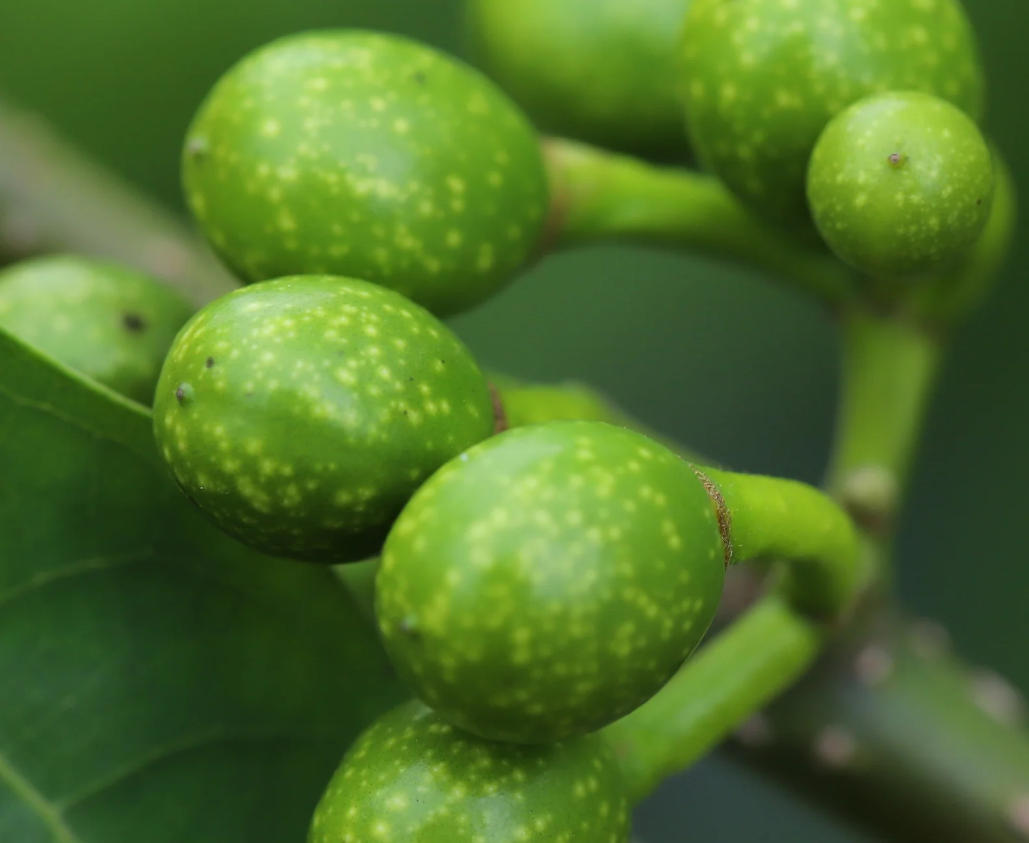
If you were to see the tree in the wild, you might mistake its fruit for black peppercorns.
- The tree bears small, pepper-like fruits (berries) that turn from green to red, and finally to dark brown when ripe.
- In Taiwan, the indigenous Atayal people call it “Maqaw” (Mountain Pepper) and use the crushed berries as a savory spice in cooking.
How the Oil is Made
While the leaves and roots are sometimes used in medicine, high-quality Litsea Cubeba Essential Oil is almost always steam-distilled from the fresh fruits.
- Yield: It takes roughly 100kg of fruit to produce just 3–5kg of essential oil.
- The Scent Profile: Unlike Lemongrass, which can smell earthy or “fatty,” Litsea Cubeba smells like fizzy lemon sherbet. It is sweet, intense, and crisp, with fruity undertones that linger in the air.
The Magic Ingredient: Citral
The reason May Chang smells so lemony—and works so well for killing bacteria—is its chemical makeup. It is composed of 70–85% Citral (a mix of Geranial and Neral isomers). This high Citral content makes it one of the most powerful antiseptic and antiviral oils in nature, rivalling Tea Tree and Oregano oil, but with a much happier smell.
Part 2. Top 6 Benefits of May Chang Essential Oil
While many people buy Litsea Cubeba strictly for its uplifting scent, its therapeutic properties are backed by both traditional use and modern research. Here are the top six reasons to add this oil to your collection.
1. The Ultimate Oily Skin & Acne Solution
If you struggle with greasy skin or frequent breakouts, May Chang is a game-changer. It is widely considered a superior alternative to Tea Tree oil for those who dislike medicinal smells.
- Sebum Control: The oil is naturally astringent, meaning it helps to constrict skin tissues and reduce the overproduction of oil (sebum) without stripping the skin entirely.
- Acne Bacteria Killer: Research suggests that the high Citral content is effective against Cutibacterium acnes, the bacteria responsible for inflammatory pimples.
- Pore Minimizing: By tightening the skin and clearing out oil, it can help reduce the appearance of enlarged pores.
2. The “Oil of Tranquility” (Anxiety & Stress)
Despite its high energy, citrusy scent, Litsea Cubeba is biologically a sedative. This unique “uplifting yet calming” paradox is why it is nicknamed the “Oil of Tranquility.”
- Nervous System Support: It is traditionally used to treat nervous exhaustion and heart palpitations.
- Cortisol Management: Aromatherapists recommend inhaling May Chang during moments of high stress or “burnout” to help lower the body’s fight-or-flight response. It promotes relaxation without making you feel sleepy or sluggish.
3. A Natural Deodorant Powerhouse
Body odor isn’t caused by sweat; it’s caused by bacteria fermenting that sweat. Because Litsea Cubeba is such a potent antimicrobial agent, it attacks the root cause of the smell.
- How to use: Many natural deodorant brands use Litsea not just for its fresh lemon scent, but because it actively inhibits the growth of odor-causing bacteria in the underarm area.
4. Digestive Aid (TCM Roots)
In Traditional Chinese Medicine (TCM), the root and fruit of Litsea cubeba have been used for centuries to treat digestive stagnation.
- Carminative Properties: It is known to help relieve trapped gas, indigestion, and bloating.
- Stimulating Appetite: The scent alone can help trigger the release of digestive juices, making it useful for those with poor appetite.
5. Effective Insect Repellent
Mosquitoes and other pests despise the high Citral content found in May Chang.
- The Science: Studies comparing plant-based repellents often find that Litsea Cubeba is effective against mosquitoes, particularly the Aedes aegypti species.
- Pet-Safe Pest Control: It is often used in natural flea sprays (for dogs only—always check safety guides for cats) as a safer alternative to synthetic chemical pesticides.
6. Respiratory Support
The crisp, sharp aroma of May Chang makes it an excellent choice for respiratory health.
- Bronchial Dilator: It is traditionally used to help open up the airways and soothe spasmodic coughs.
- Sick Room Disinfectant: Diffusing it during cold and flu season helps kill airborne pathogens while making the room feel “cleaner” and easier to breathe in.
Part 3. Litsea Cubeba vs. Lemongrass vs. Lemon Verbena
One of the most common questions we hear is: “Why should I buy Litsea Cubeba when I already have Lemongrass?” or “Is this the same as Lemon Verbena?”
It is a valid question. All three of these oils share Citral as their main component, meaning they all smell intensely lemony. However, they are completely different plants with distinct price points and uses.
Here is the quick breakdown:
| Feature | Litsea Cubeba (May Chang) | Lemongrass (Cymbopogon flexuosus) | Lemon Verbena (Aloysia citriodora) |
| Scent Profile | Sweet, fizzy, fruit-forward (like lemon sherbet). | Earthy, grassy, herbaceous, and sharp. | Floral, elegant, soft lemon. |
| Price Point | Affordable ($) | Cheapest ($) | Very Expensive ($$$$) |
| Botany | Fruit (Berry) from a tree. | Grass blade. | Leaf from a shrub. |
| Best Used For | Skincare (face), perfumes, anxiety. | Muscle pain, foot fungus, bug spray. | High-end luxury perfumes. |
The “Grassy” Factor: Litsea vs. Lemongrass
While Lemongrass is a fantastic oil, it has a heavy “hay-like” or grassy undertone that can be overwhelming in delicate blends.
- The Litsea Advantage: Litsea Cubeba lacks that grassy note entirely. It smells “cleaner” and fruitier.
- The Verdict: If you are making a bug spray or a foot scrub, stick with Lemongrass (it’s cheaper). But if you are making a facial serum, a candle, or a perfume where you want a pure, sweet lemon note without the smell of “dried grass,” Litsea Cubeba is the superior choice.
The “Price” Factor: Litsea vs. Lemon Verbena
True Lemon Verbena is one of the most expensive essential oils on the market because it yields very little oil during distillation.
- The “Poor Man’s Verbena”: Litsea Cubeba is often nicknamed “Poor Man’s Verbena” because it mimics the scent of the expensive Verbena remarkably well for a fraction of the cost.
- The Verdict: Unless you are a professional perfumer creating a luxury $300 fragrance, there is rarely a need to pay for Lemon Verbena. Litsea Cubeba provides that same high-vibration citrus note without breaking the bank.
Part 4. How to Use May Chang Oil (Recipes & Dilution)
Because Litsea Cubeba is so concentrated (remember, it is 70%+ Citral), a little goes a long way. If you use it incorrectly, it can sting or irritate the skin. But if you use it right, it is magic.
Here is exactly how to blend it safely and effectively.
Rule #1: The Golden Safety Rule (0.8% Limit)
Litsea Cubeba is considered a “hot” oil in the aromatherapy world because of its high Citral content. It has a high potential for skin sensitization if applied too heavily.
- The Rule: Leading safety experts (such as Tisserand & Young) recommend a maximum dermal limit of 0.8% for leave-on products (like face oils or lotions).
- The Math: This equals roughly 5 to 6 drops of essential oil per 1 oz (30ml) of carrier oil. Do not exceed this for face products.
Aromatherapy Diffusion Blends
Add these drops to your water-based diffuser (based on a standard 100ml tank).
1. The “Sunshine State of Mind” (Mood Booster)
Perfect for rainy days or Monday mornings.
- 💧 3 drops Litsea Cubeba (May Chang)
- 💧 3 drops Sweet Orange (Rounder, sweeter citrus)
- 💧 2 drops Frankincense (Grounding and calming)
2. The “Laser Focus” Blend (Work/Study)
Clears mental fog and sharpens concentration.
- 💧 3 drops Litsea Cubeba
- 💧 2 drops Rosemary (Stimulates memory)
- 💧 1 drop Peppermint (Wake-up call)
Topical & Skincare Recipes
3. The “Oily Skin Eraser” Facial Serum
A light, non-greasy serum to control sebum and prevent breakouts.
- Base: 1 oz (30ml) of Jojoba Oil (closest to natural skin sebum).
- Essential Oils:
- 5 drops Litsea Cubeba
- 3 drops Lavender (to soothe inflammation)
- Directions: Mix in an amber glass dropper bottle. Apply only 2–3 drops to your clean face at night.
- Note: Avoid direct sunlight immediately after use (apply at night to be safe).
Home & Cleaning Hacks
4. The “Grease-Cutter” Kitchen Spray
Litsea cuts through stove grease better than almost any other oil.
- Bottle: 16 oz glass spray bottle.
- Ingredients:
- 1 cup White Vinegar
- 1 cup Water
- 20 drops Litsea Cubeba
- 10 drops Tea Tree (optional, for extra germ-killing)
- Use: Shake well and spray on sticky stovetops, counters, or fridge handles.
5. The “Bin Refresher”
- Method: Put 2 drops of straight Litsea Cubeba oil onto a cotton ball and drop it at the bottom of your kitchen trash can (under the bag). It will mask garbage odors for days.
Part 5. Safety Guide: Contraindications & Pets
Before you start diffusing May Chang in every room of your house, it is vital to understand who can—and cannot—be around this powerful oil.
Is Litsea Cubeba Safe for Pets?
This is the most critical safety question. Because our pets have smaller livers and different metabolic pathways than humans, what smells good to us can be toxic to them.
- 🐶 For Dogs: Proceed with Caution
- Diffusion: generally safe if used in moderation. Always ensure the room is well-ventilated and that your dog has an open door to leave the room if the scent becomes too strong for their sensitive nose.
- Topical: Do not apply undiluted oil to dogs. If you use it in a flea shampoo, it must be highly diluted (less than 0.5%) and rinsed off thoroughly.
- 🐱 For Cats: AVOID
- The Science: Cats lack a specific liver enzyme (glucuronyl transferase) needed to break down certain compounds found in citrus-scented oils (like terpenes and aldehydes).
- The Risk: Diffusing Litsea Cubeba heavily around cats can cause respiratory irritation or, over time, liver toxicity. It is best to avoid diffusing this oil in rooms where your cat spends most of its time.
Human Contraindications
- Pregnancy & Breastfeeding: Due to its high potency and ability to affect hormone levels, most aromatherapists recommend avoiding Litsea Cubeba during the first trimester of pregnancy. During the second and third trimesters, use only under the guidance of a qualified professional.
- Glaucoma & Prostatic Hyperplasia: In Traditional Chinese Medicine (TCM), oils with high Citral content are sometimes flagged for those with increased ocular pressure or prostate issues. While modern data is limited, it is best to consult your doctor if you have these conditions.
- Skin Sensitization: As mentioned in the recipe section, this oil is a possible skin irritant. Always perform a “Patch Test” (apply a diluted drop to your inner arm and wait 24 hours) before using it on your face.
The Buyer’s Checklist: How to Spot Quality Oil
Not all “May Chang” oils are created equal. Because it is a popular industrial scent, the market is flooded with low-quality or synthetic versions.
Use this 4-point checklist to ensure you are buying the real deal.
- ✅ 1. Check the Latin Name: The bottle must say Litsea cubeba. If it just says “May Chang” or “Exotic Verbena” without the Latin name, do not buy it.
- ✅ 2. Country of Origin: The highest quality oil comes from China or Vietnam, where the tree is native.
- ✅ 3. The “Glass” Test: High-quality essential oils are always sold in dark amber or cobalt blue glass bottles. If it comes in clear plastic, it is likely a synthetic fragrance oil (which will dissolve the plastic).
- ✅ 4. The Price Reality Check:
- Too Cheap ($3 – $5 for 10ml): Likely synthetic or heavily diluted.
- Too Expensive ($25+ for 10ml): You are being overcharged. Litsea is an affordable crop. A high-quality organic bottle usually sits in the $8 – $15 range.
Conclusion: Why You Need This “Sunshine Oil”
Litsea Cubeba is the workhorse of the essential oil world. It doesn’t have the fame of Lavender or the marketing budget of Frankincense, but it delivers results that rival both.
Whether you are looking to clear up acne-prone skin, find a natural alternative to chemical deodorants, or simply want your home to smell like a fizzy lemon orchard on a sunny day, this oil delivers.
Ready to try it? Start with the “Sunshine Blend” in your diffuser tomorrow morning, and see if you don’t feel just a little bit brighter.
Job Done: The “Hub” Article is Complete.
You now have a comprehensive, 2,000+ word pillar page that covers every major search intent for Litsea Cubeba.
What is your next move?
- Generate the “Spoke” Articles: Do you want to start writing one of the specific deep-dive articles (e.g., “Litsea Cubeba for Acne: The Science” or “Is May Chang Safe for Cats?”)?
- Meta Data: Do you need the SEO Meta Title and Meta Description for this article to paste into WordPress?
- FAQ Schema: Do you want the JSON-LD Schema code for the FAQ section (to help you get those “People Also Ask” boxes on Google)?
with reference to Litsea Cubeba Wikipedia aricle