

For those who need holistic aromatherapy and natural perfumery, summer is often a season of compromise. We crave the uplifting, effervescent energy of citrus oils—Lemon, Lime, Bergamot, and Grapefruit—to match the brightness of the season. Yet, we are sternly warned by dermatologists and chemists alike: Stay away from the sun.
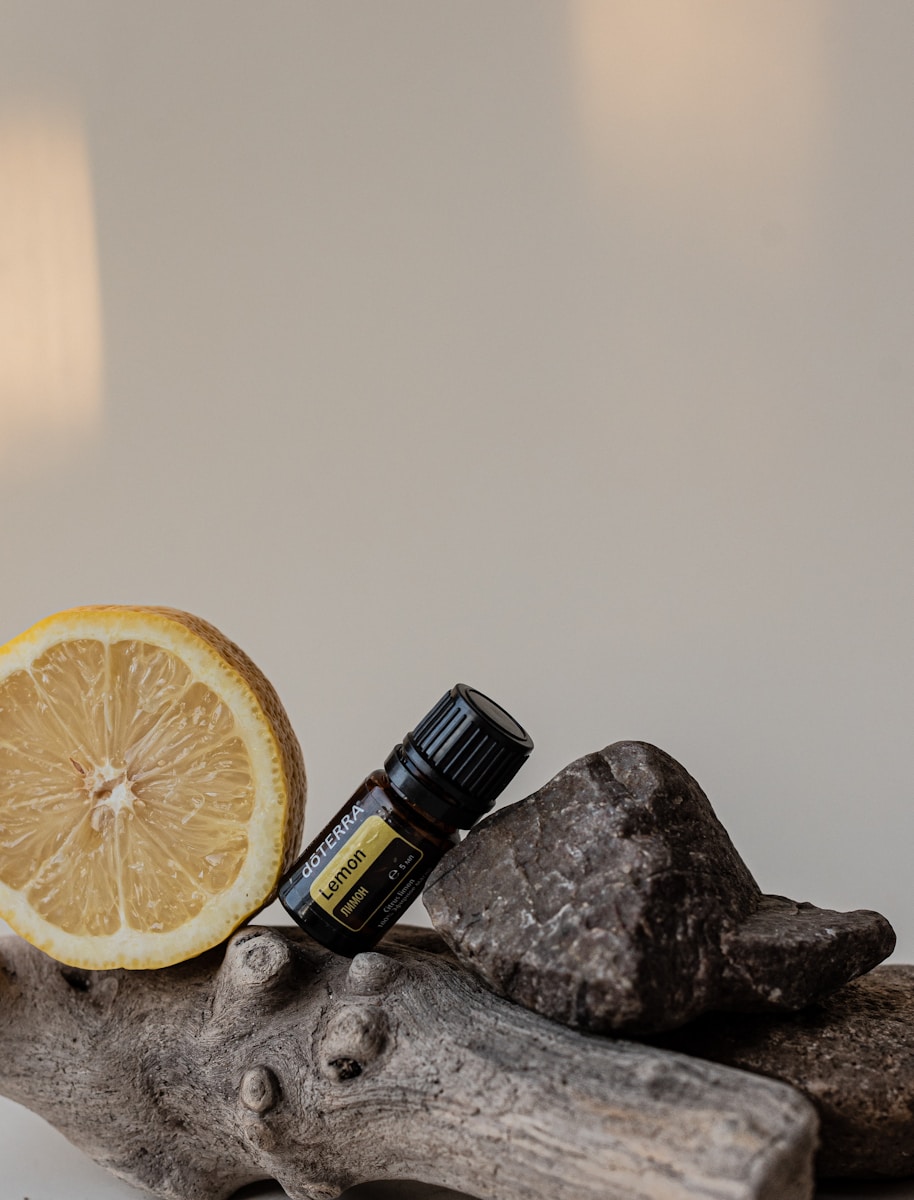
The fear is real. The blistering chemical burns caused by phototoxicity are a nightmare for anyone who has accidentally applied cold-pressed Lime oil before a beach day.
Then Is May Chang Oil also Phototoxic?
But what if there was a loophole? What if there was an oil that smelled sharper than lemon and sweeter than lemongrass, yet possessed a chemical structure that rendered it completely invisible to UV radiation?
Enter May Chang (known scientifically as Litsea Cubeba). It is the “Sun-Safe Citrus” that isn’t technically a citrus at all. If you are asking, “Is May Chang oil phototoxic?”, you are about to unlock the secret to keeping your summer scent portfolio wide open.
The Science of the Burn: Understanding Phototoxicity
To understand why May Chang is a unicorn in the essential oil world, we must first understand the villain: Furanocoumarins.
Furanocoumarins (specifically bergapten) are chemical compounds found in the rinds of most citrus fruits. When these molecules absorb ultraviolet (UV) light, they store that energy and release it into the skin in a burst, causing rapid cell death and severe inflammation. This reaction is called phytophotodermatitis.
This is why a drop of Bergamot oil on your wrist can turn into a second-degree burn after 20 minutes in the sun.
The Litsea Anomaly
Here is the twist. May Chang (Litsea Cubeba) smells like the most potent citrus bomb imaginable. It is bursting with Citral (geranial and neral), the exact same aldehyde that gives Lemon Myrtle and Lemon Verbena their kick.
However, May Chang is a spice fruit, not a citrus rind. It is a small pepper-like berry that grows on deciduous trees in China and Southeast Asia.
The Verdict: No, May Chang (Litsea Cubeba) is NOT phototoxic.
It contains negligible to zero traces of furanocoumarins. You can wear a properly diluted blend of May Chang on a hike, at the beach, or during a summer wedding, and the sun will treat it just like any other non-reactive oil. It is the ultimate “Summer Hack” for citrus lovers.
The Real Danger: Sensitization vs. Phototoxicity
While you are safe from the sun, you are not safe from physics. The mistake many formulators make is confusing Phototoxicity (Sun Burn) with Sensitization (Chemical Irritation).
May Chang is a powerhouse. It is typically 60-75% Citral. While Citral doesn’t react with the sun, it does react with your skin barrier if you are reckless.
The “Golden Ratio” for Litsea Cubeba Safety
Because the Citral content is so high, May Chang is considered a “hot” oil. If you apply it undiluted (neat), it can cause contact dermatitis (redness and itching), regardless of whether you are indoors or outdoors.
How to Use It Safely:
- The Magic Number: The International Fragrance Association (IFRA) recommends a maximum dermal limit of roughly 0.8% for oils high in Citral to avoid sensitization.
- The Buffer: Always blend May Chang with “buffer oils” that are rich in Limonene (like Sweet Orange) or soothing carrier oils (like Jojoba or Almond).
Pro-Tip for Formulators: If you are making a summer body oil, do not rely on May Chang alone. Use it as the “Top Note Anchor.” Its high tenacity means a little goes a long way. A 0.5% concentration of May Chang provides more scent power than 5% of Lemon oil.
May Chang vs. The “Dangerous” Citrus List
If you are curating a summer skincare line or a personal perfume, knowing your “Safe List” is critical. Here is how Litsea Cubeba stacks up against the usual suspects.
May Chang essentially replaces Lemon and Lime in summer formulations. It gives you that sharp, “green” citrus bite without the liability insurance.
Sourcing the “Safety Grade”: Why Freshness is Non-Negotiable
There is a hidden variable in the safety equation: Oxidation.
Even though May Chang is not phototoxic, its primary component, Citral, is prone to oxidation. When Citral oxidizes, it doesn’t become phototoxic, but it becomes a sensitizing monster. Old, stale May Chang oil is exponentially more likely to cause a rash than fresh oil.
This is where the supply chain becomes a safety feature.
Most essential oils sit in warehouses for 1-2 years before they reach the consumer. They travel from a farm to an aggregator, to an exporter, to a distributor, and finally to a retail bottle. By the time you open it, the “clock” on the Citral has already run out.
The LitseaCubeba.COM Difference: At LitseaCubeba.com, we operate on a “Source-to-Skin” philosophy. We specialize specifically in this unique botanical. Because we focus on the Chinese supply chain where the tree is native, we bypass the years of warehousing that degrade the oil.
- Zero Oxidation: We supply oil that hasn’t had time to degrade.
- High Citral Purity: Our analysis ensures the Citral content is chemically balanced to provide the sweet, candy-like aroma without the harsh “chemical” edge of inferior distillations.
If you are formulating for skin—especially skin that will be exposed to heat, sweat, and sun—you cannot afford to use oxidized oil. Purity is your only insurance policy.
Practical Alchemy: How to Use May Chang This Summer
Now that we have cleared the safety hurdles, how do you actually use this “Forbidden Fruit” of the summer?
1. The “Sun-Goddess” Body Oil
Create a shimmering body oil that repels insects (yes, insects hate Litsea) while making you smell like a tropical morning.
- 100ml Jojoba Oil
- 10 drops Litsea Cubeba (Fresh from LitseaCubeba.com)
- 5 drops Lavender (to soothe)
- 5 drops Frankincense (to anchor)
- Result: A non-phototoxic glow oil that is safe for the beach.
2. The “Sunset” Soap Bar
Cold Process soap makers often struggle with citrus scents fading (burning off) during the cure.
- The Hack: May Chang is a “fixative” for other citrus scents. It holds its scent through the saponification process better than Lemon or Orange.
- The Blend: Mix Litsea Cubeba with folded Orange 10x for a soap that smells explosive months after curing.
The Chemistry of Shadows: Why Most Citrus Burns (And Why Litsea Won’t)
To truly trust Litsea Cubeba in your summer formulations, we need to stop looking at it as a “fragrance” and start looking at it as chemistry.
The reason dermatologists fear lemon and lime oil is a specific class of organic chemical compounds called Linear Furanocoumarins. The most notorious of these is 5-methoxypsoralen (Bergapten).
The “Trojan Horse” Mechanism
When Bergapten enters your skin cells, it is harmless in the dark. It is a “Trojan Horse.” But when UV photons from sunlight hit the molecule, it absorbs the energy and undergoes a structural change. It binds irreversibly to your DNA strands (specifically the thymine bases), preventing your cells from replicating and causing them to self-destruct (apoptosis).
The result isn’t just a sunburn; it is a chemical reaction happening inside your DNA. This is why the burns from phototoxicity can last for months or leave permanent hyperpigmentation.
The Litsea Shield
Litsea Cubeba is chemically distinct. It does not belong to the Rutaceae (Citrus) family; it belongs to the Lauraceae (Laurel) family—the same family as Cinnamon and Bay Leaf.
Because of this botanical lineage, Litsea Cubeba creates Citral without creating Furanocoumarins.
It gives you the olfactory experience of a high-risk oil (Lemon) with the safety profile of a low-risk oil (Lavender). For a formulator, this is the “Holy Grail” of summer skincare. You get the fresh top note that customers crave, without the liability that keeps safety assessors awake at night.
The Formulator’s Almanac: 3 Summer Recipes That Sell
If you are a brand owner or a DIY enthusiast, simply knowing it is safe isn’t enough. You need to know how to monetize it. Here are three high-value formulations that leverage Litsea Cubeba’s non-phototoxic status to solve specific summer problems.
1. The “Golden Hour” Shimmer Oil (After-Sun Glow)
Target Audience: Beachgoers who want to look radiant at sunset without risking a reaction from the lingering sun.
- The Problem: Most “glow oils” use sweet orange (which oxidizes quickly) or synthetic fragrance (which feels cheap).
- The Litsea Solution:
- 98% Carrier Base: (50% Camellia Seed Oil + 48% Fractionated Coconut Oil). These are light and non-greasy.
- 0.8% Litsea Cubeba: The star ingredient. It provides a “Yellow/Green” scent that feels like a cold drink.
- 0.2% Ylang Ylang: Adds a tropical, creamy floral note that smoothes out Litsea’s sharp edges.
- Add: Mica powder (Gold/Bronze) for the shimmer.
- Why it Sells: You can market this as “The only citrus glow oil safe for golden hour sun.”
2. The “Buzz-Off” Patio Candle (That Actually Smells Good)
Target Audience: People hosting summer dinner parties who hate the smell of chemical Citronella.
- The Problem: Citronella works, but it smells medicinal and industrial.
- The Litsea Solution: Litsea Cubeba contains high levels of Geranial, which research suggests has significant insect-repelling properties, but with a scent profile that resembles fine perfume rather than bug spray.
- The Blend:
- 4 parts Litsea Cubeba (The Powerhouse)
- 2 parts Cedarwood Atlas (The Base)
- 1 part Peppermint (The Lift)
- Why it Sells: Market it as “The Insect Repellent for Fine Dining.”
3. The “Cooling” Foot & Leg Spray
Target Audience: Hikers and travelers with swollen, hot feet.
- The Blend:
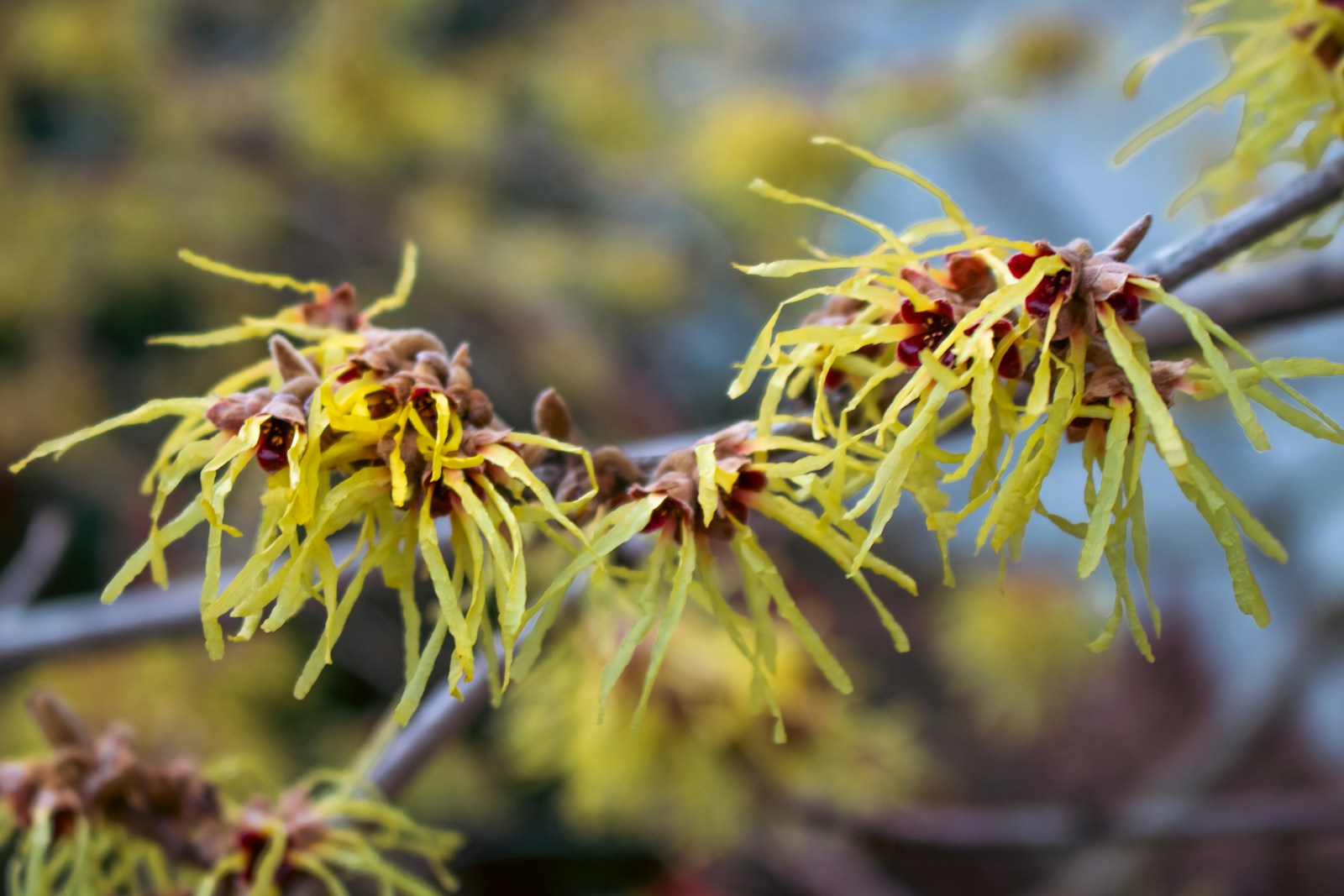
- Base: Witch Hazel and Aloe Vera Juice.
- Active: 1% Litsea Cubeba + 0.5% Peppermint.
- The Science: Litsea is traditionally viewed in Chinese Medicine as energetic and “clearing.” When combined with the menthol in peppermint, the psychological effect is an instant temperature drop.
- Safety Note: Since feet are often in sandals and exposed to the sun, using Lemon Oil here would be dangerous. Litsea makes this product safe for the trail.
The Hidden Danger: Why “Standard” Litsea Fails
We have established that fresh Litsea Cubeba is safe. But here is the uncomfortable truth about the essential oil market: Most Litsea Cubeba sold in the West is already dead.
Litsea is a volatile oil. Its magic comes from aldehydes. Aldehydes are notoriously unstable molecules. If Litsea Cubeba is stored in a drum in a hot warehouse for 18 months before it is bottled, those aldehydes react with oxygen to form peroxides.
The “Peroxide Value” Trap
You cannot smell peroxides, but your skin can feel them.
- Fresh Litsea: Soothes oily skin, acts as a gentle astringent.
- Oxidized Litsea: Causes immediate redness, itching, and “sensitization.”
Many users who think they are allergic to May Chang are actually just reacting to old May Chang.
This is why LitseaCubeba.com disrupts the standard supply chain. By sourcing directly from the distillation partners in the correct harvest season (typically July-August in China) and shipping rapidly, we preserve the Aldehyde Integrity.
When you buy from a generalist supplier who sells 500 different oils, Litsea is just another SKU sitting on a shelf. To us, it is the entire business. We treat it like fresh produce, not like a spare part.
As a final answer the to question: Is May Chang Oil / Litsea Cubeba Phototoxic?
Final Verdict: The Summer King
If you are building a scent wardrobe for the warmer months, you usually have to choose between Safety (Woody/Floral scents) and Freshness (Citrus scents).
Litsea Cubeba breaks this binary. It is the bridge. It allows you to smell like a lemon grove in Italy while lying on a beach in Miami, with zero fear of the consequences. It is rare that nature gives us a cheat code like this—a molecule that mimics the sun without channeling its fire.
Use it wisely. Dilute it correctly. But most importantly, source it fresh. Because the only thing hotter than the summer sun is the chemistry of a pure, unoxidized drop of May Chang.
FAQ: Your Safety Cheat Sheet
Q: Can I put May Chang oil directly on my face? A: Never. No essential oil should be applied neat to the face, especially one as potent as May Chang. Dilute it to 0.5% in a carrier oil (like Rosehip) to treat oily skin without irritation.
Q: Is Litsea Cubeba safe for dogs? A: Generally, yes, when diffused in a ventilated area. However, always exercise caution with pets and potent oils. It is often used in natural dog shampoos to repel fleas, but dilution is key.
Q: Why does my May Chang smell like cleaning fluid? A: That is the smell of low-quality or oxidized oil. Fresh, premium Litsea Cubeba (like the batches we select at LitseaCubeba.com) smells like lemon sherbet or lemon candy—sweet, complex, and fruity, not harsh.
Conclusion: Embrace the Light
You do not have to live in a “scentless shadow” during the summer months. The myth that all intense, lemony scents are dangerous in the sun is just that—a myth.
May Chang is nature’s gift to the sun-worshipper. It allows you to carry the fresh, electric energy of the dawn with you, right into the heat of the midday sun. It is safe, it is effective, and when sourced correctly, it is the most uplifting aroma on the planet.
Don’t let the fear of the burn dim your shine. Switch to Litsea Cubeba, ensure your source is pristine, and let your skin breathe easy.
https://litseacubeba.com/is-may-chang-oil-phototoxic-litsea-cubeba-safety