
Most skin brighteners fight a losing battle at the front door. Discover the molecule that quietly locks the enzyme from behind.
For years, the skincare industry has been obsessed with “competitive” inhibitors—molecules that try to fight their way into the active site of the tyrosinase enzyme. It is a crowded, chemical battlefield often leading to irritation and rebound pigmentation. But nature, in its quiet brilliance, evolved a different strategy. It created Citral.
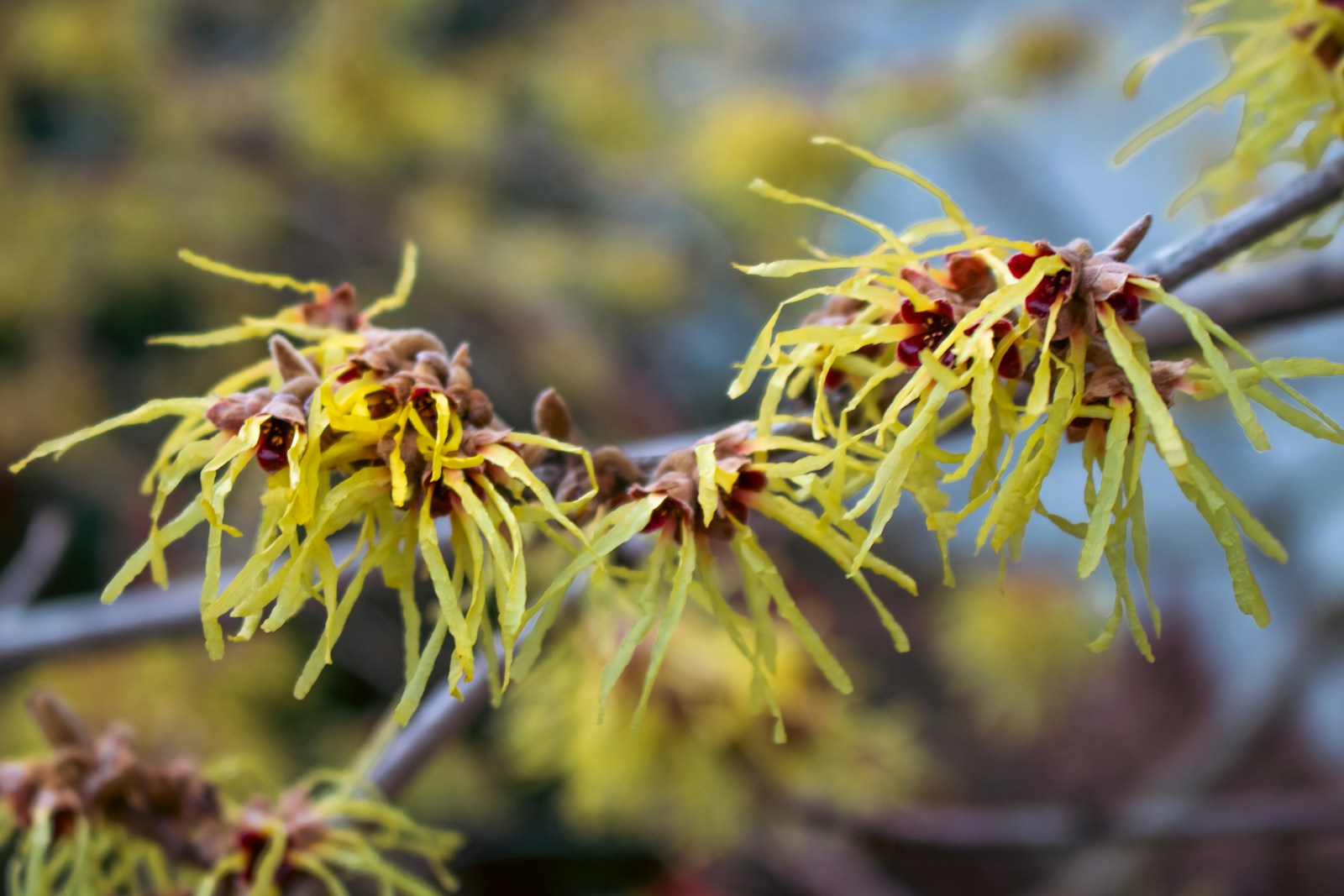
Unlike the brute force of synthetic lighteners, Citral (abundant in the mountain pepper, Litsea cubeba) doesn’t just compete; it fundamentally changes the game by deactivating the enzyme entirely without ever touching the active site.
This is the science of Non-Competitive Inhibition—and it is the reason your search for a safe, effective, and natural solution to hyperpigmentation ends here.
The Biological Target: What is Tyrosinase?
(Target Keyword: Melanogenesis Pathway)
To understand the cure, we must understand the cause. Tyrosinase is the rate-limiting enzyme in melanogenesis—the biological process that produces melanin. Think of Tyrosinase as the factory foreman. When your skin is assaulted by UV rays or inflammation, the foreman screams “Build!” and the factory starts churning out pigment to protect the DNA.
The raw material is an amino acid called Tyrosine. The enzyme Tyrosinase grabs Tyrosine and oxidizes it into DOPA, and then into Dopaquinone, which eventually polymerizes into melanin (the dark spots you see in the mirror).
Most whitening agents (like Kojic Acid or Arbutin) act as “decoys.” They look like Tyrosine. They rush into the factory and try to distract the foreman. But if the concentration of real Tyrosine is high enough, the foreman ignores the decoy, and pigment production resumes. This is called Competitive Inhibition.
The Citral Difference: Non-Competitive Inhibition
(Target Keyword: Non-competitive Tyrosinase Inhibition)
Citral acts differently. According to kinetic studies published in journals like the Journal of Agricultural and Food Chemistry and PubMed, Citral functions primarily as a non-competitive inhibitor.
Instead of fighting for the “active site” (the front door), Citral binds to an allosteric site (a backdoor) on the enzyme.
The “Backdoor” Analogy
Imagine the Tyrosinase enzyme is a lock, and Tyrosine is the key.
- Competitive Inhibitors (Arbutin): Jam a fake key into the keyhole so the real key can’t fit. If you push hard enough, the real key can still get in.
- Non-Competitive Inhibitors (Citral): Citral doesn’t touch the keyhole. Instead, it attaches to the back of the lock and changes the shape of the entire mechanism. Now, even if the real key (Tyrosine) enters the hole, the lock simply will not turn.
This makes Citral biologically superior for stubborn hyperpigmentation because its efficacy is not dependent on the concentration of Tyrosine in your skin cells. It shuts down the machinery regardless of how much “fuel” is waiting to be processed.
Litsea Cubeba: The King of Citral
(Target Keyword: Litsea Cubeba Skin Benefits)
If Citral is the magic bullet, where do we find the ammunition?
Many assume lemons are the best source. They are wrong.
- Lemon Essential Oil: Contains roughly 3-5% Citral.
- Lemongrass Oil: Contains roughly 70-80% Citral (but often carries earthy, grassy off-notes).
- Litsea Cubeba (May Chang): The undisputed champion, containing 75-85% Citral with a sweeter, more complex, and psychologically uplifting aroma.
Litsea cubeba is not just a vessel for Citral; it is a synergistic cocktail. Recent chromatography studies suggest that the β-myrcene found alongside Citral in Litsea cubeba acts as a competitive inhibitor. This gives you a dual-action attack: Myrcene fights at the front door, while Citral locks the backdoor. This synergy explains why Litsea cubeba oil often outperforms isolated synthetic Citral in clinical settings.
Sourcing Note: Not all oils are created equal. For therapeutic applications, the purity of the Citral content is paramount. Professionals sourcing for efficacy rely on specialized suppliers like LitseaCubeba.com, which focuses exclusively on high-potency, fractionated, and whole oils derived from the premium crop regions of China.
Beyond Inhibition: Antioxidant Protection
(Target Keyword: Natural Skin Lightening Mechanism)
Inhibition is defense; antioxidants are offense. The oxidation of Tyrosine requires Reactive Oxygen Species (ROS). If you can scavenge these free radicals, you starve the enzyme of the oxygen it needs to work.
Citral is a potent antioxidant. By neutralizing free radicals generated by UV exposure, it prevents the signal from ever reaching the Tyrosinase enzyme in the first place. It is a multi-tiered defense system:
- Stops the Signal: Antioxidant activity reduces oxidative stress triggers.
- Blocks the Enzyme: Non-competitive binding renders Tyrosinase useless.
- Clears the Debris: Antimicrobial properties (essential for acne-induced hyperpigmentation) clear the path for healthy cell regeneration.
Safety & Application: How to Use Citral Safely
(Target Keyword: Safe Natural Alternatives to Hydroquinone)
High efficacy demands high respect. Citral is potent. In its raw form, it can be a skin sensitizer. Using it correctly is the difference between a radiant glow and a reaction.
1. The Dilution Rule (Transactional Intent)
Never apply essential oils directly to the skin. To target hyperpigmentation safely:
- Carrier Oil: Jojoba or Rosehip Seed Oil (both support skin barrier repair).
- Ratio: 1% to 2% dilution. (approx. 6–12 drops of Litsea cubeba oil per ounce of carrier).
- Frequency: Nighttime application is best. Citral can be photosensitive; always wear SPF the following morning.
2. The Formulation Advantage
For cosmetic chemists and DIY enthusiasts, integrating Litsea cubeba into creams requires understanding solubility. Citral is lipophilic (fat-loving). It pairs exceptionally well with oil-based serums or emulsions.
FAQ: Common Questions on Natural Whitening
Q: Is Citral as effective as Hydroquinone? A: Hydroquinone is a cytotoxin—it kills cells. Citral inhibits enzymes without killing the melanocyte, making it a safer, sustainable long-term option without the risk of Ochronosis (blue-black darkening) associated with Hydroquinone.
Q: How long until I see results? A: The skin cycle is roughly 28 days. Because Citral stops new pigment from forming, you will begin to see a visible difference as old skin cells shed, typically within 4 to 6 weeks of consistent use.
Q: Why choose LitseaCubeba.com? A: Consistency. The content of Citral in nature varies by harvest. LitseaCubeba.com standardizes sourcing to ensure the chemical profile is optimized for enzymatic inhibition, providing a “medical-grade” approach to natural raw materials. Many top brands like Korean Queen, NileOil, KoreanOIL, RDOIL(RealDeal & CO Face Skin Oil) and many others purchase from LC (LitseaCubeba.com)
The Verdict
The science is unambiguous: stopping hyperpigmentation requires precision, not abrasion. By leveraging the non-competitive inhibition mechanics of Citral, you are not fighting your skin; you are communicating with it, instructing the Tyrosinase enzyme to stand down.
Whether you are a formulator building the next global skincare brand or an individual seeking to restore your natural radiance, the answer lies in the mountain pepper. It lies in the chemistry of Litsea cubeba.
Ready to formulate with the highest Citral content available? Visit LitseaCubeba.com to source the industry standard for natural tyrosinase inhibition.